
How Much Does It Cost to Open a Pilates Studio in 2026?
Opening a Pilates studio in 2026 can cost anywhere from about $40,000 for a lean, owner-operated studio to $500,000 or more for a large branded or franchise location. For many independent Reformer studios, the practical investment sits somewhere between $100,000 and $250,000.
The range is wide because “Pilates studio” describes very different businesses. A four-Reformer private studio, a ten-Reformer boutique and a 20-Reformer group studio may all teach Pilates, but they require different equipment, floor space, staffing and cash reserves. Current industry estimates reflect this variation. Vibefam, for example, places a standard eight-to-twelve-Reformer boutique at roughly $150,000–$350,000, while Boutique Fitness Broker estimates many U.S. Reformer studios at about $150,000–$450,000 depending heavily on build-out and location.
The most useful way to calculate Pilates studio startup costs is therefore to start with the business model. The model determines the equipment. The equipment determines the space. Space drives rent and construction, and those fixed costs determine how much operating capital the studio needs after opening.
1. How Much Does It Cost to Open Different Types of Pilates Studios?
A small studio can be relatively inexpensive because almost every part of the operation is smaller. Once the model shifts toward boutique group classes or high-capacity Reformer classes, equipment and real-estate costs rise together.
1.1 Small Private Pilates Studio Cost
A small private studio may operate two to six Reformers and focus on one-to-one sessions, duets and small groups. The owner often teaches a large part of the schedule, which keeps payroll low in the early months.
A budget of roughly $40,000–$80,000 can be possible when the studio takes a modest space, avoids major construction and starts with a focused equipment package. The economics depend less on filling a large class and more on earning a higher amount from each client session.
This model is particularly attractive to instructors who already have a client base. Instead of paying for unused capacity from day one, they can add Reformers and other apparatus as demand grows.
1.2 Boutique Reformer Pilates Studio Cost
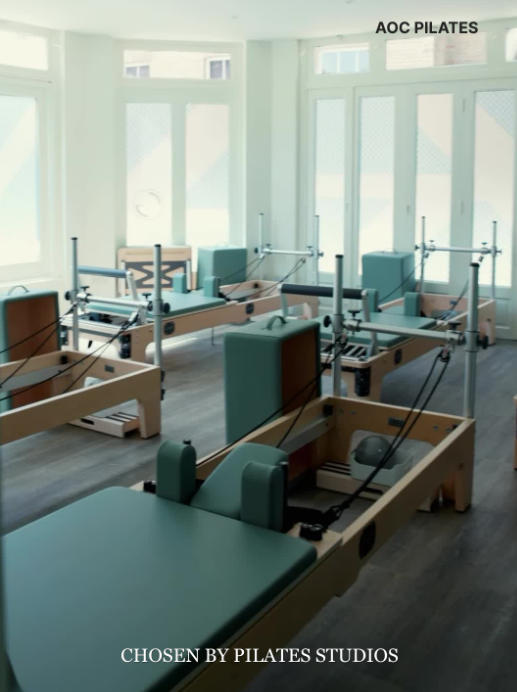
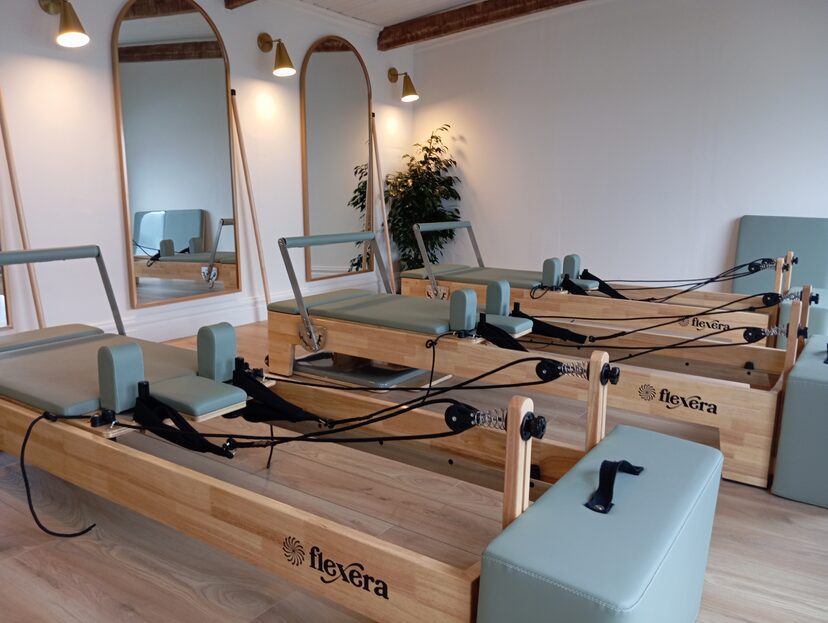
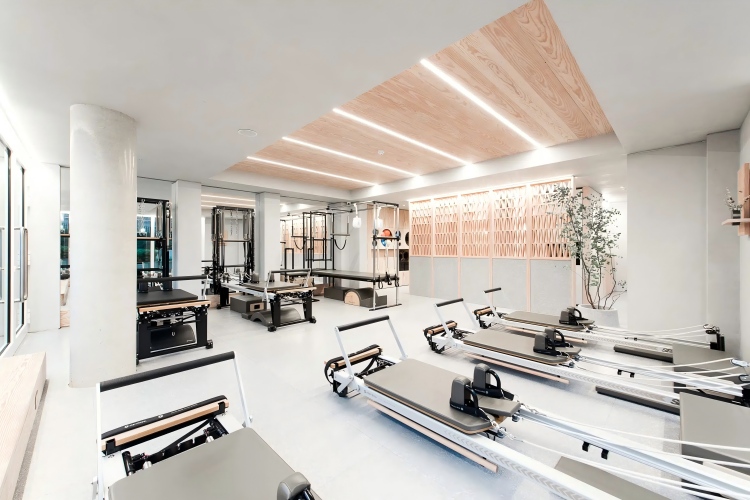
A boutique Reformer Pilates studio usually operates around eight to twelve Reformers and earns most of its revenue from small-group classes, memberships and class packs.
Here, the client experience becomes part of the business model. The studio may invest more in commercial Reformers, flooring, lighting, mirrors, reception, storage and branding. It also needs enough instructors to run a consistent weekly timetable.
For this model, $100,000–$250,000 is a useful planning range, although premium locations and custom fit-outs can push the investment higher. The reason boutique estimates vary so much online is that some budgets stop at equipment and construction, while others include several months of working capital.
1.3 Large Group Reformer Pilates Studio Cost
A high-capacity studio may operate 12, 16, 20 or more Reformers. Its advantage is simple: more machines create more sellable places in every class.
But adding Reformers does much more than increase the equipment bill. A larger class needs more floor area, better circulation, more ventilation, more storage and often more changing or reception space. A bigger timetable also requires more instructor coverage and a larger member base.
For that reason, a large group studio can move toward $180,000–$400,000 or more. It should not be budgeted as a boutique studio with a few extra machines. It is a higher-volume business with a different cost structure.
1.4 Comprehensive Pilates Studio Cost
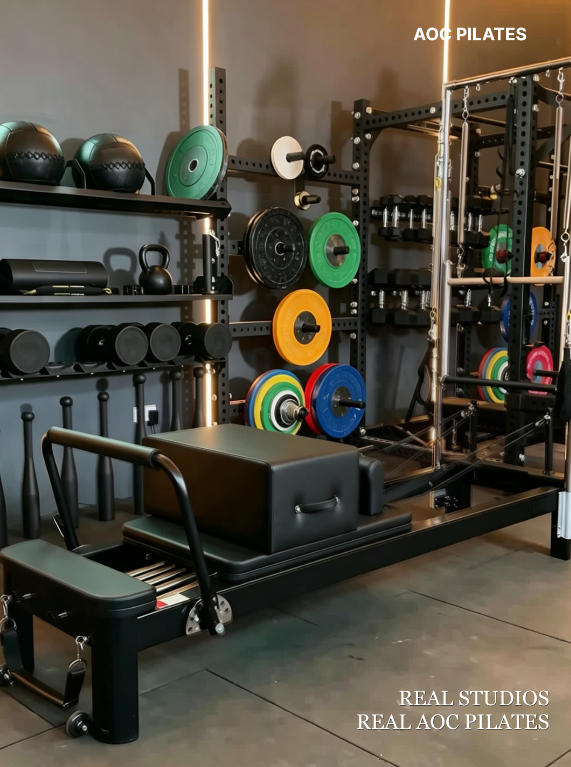
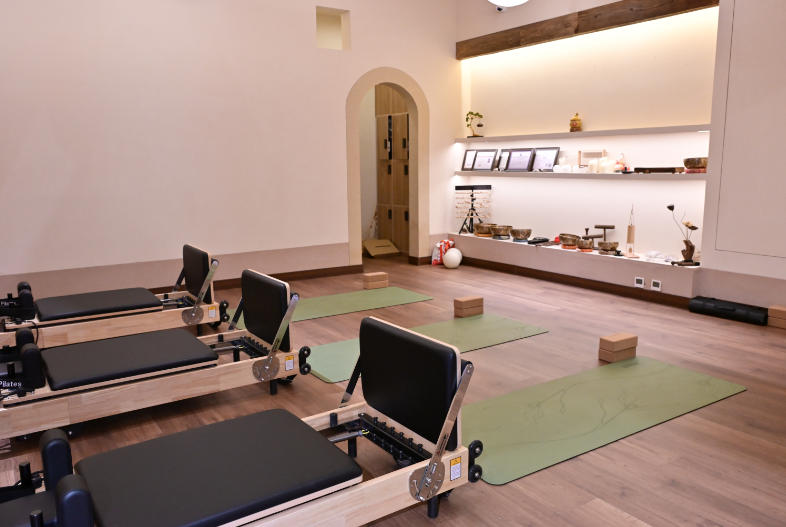
A comprehensive Pilates studio spends its equipment budget differently. Instead of maximizing identical Reformer stations, it may combine six or eight Reformers with a Cadillac, Chairs, Ladder Barrel, Spine Correctors and Tower systems.
This model is better suited to private training and semi-private apparatus work. It may serve fewer clients at once, but the average value of each booking can be higher.
The important point is that equipment count follows the service model. A comprehensive studio does not need 20 Reformers, just as a high-volume Reformer studio does not need a Cadillac for every client.
2. How Much Does Commercial Pilates Equipment Cost in 2026?
Once the studio format is clear, equipment becomes the first major capital decision.
Commercial Reformers from established brands generally cost several thousand dollars per station. Tower systems cost more, while Cadillacs, Chairs and Barrels add another layer of investment for studios offering comprehensive Pilates.
2.1 Commercial Pilates Reformer Prices by Major Brand
For contemporary commercial studios, the most useful comparison is between brands commonly used for group Reformer, private training and modern studio programming.
| Brand | Representative Commercial Reformer | Current Price Reference | Typical Positioning |
|---|---|---|---|
| Peak Pilates | fit Reformer | from $3,195 | Commercial group and studio use |
| Merrithew / STOTT Pilates | SPX Max Reformer | about $3,649 | Contemporary group and private training |
| Elina Pilates | Club Reformer | $3,590 | Contemporary commercial studio |
| Balanced Body | Allegro 2 Reformer | Contact representative | Premium commercial and group Reformer |
| BASI Systems | Professional Reformer | Premium pricing, market dependent | Premium contemporary studio |
Peak's current commercial range starts with the fit Reformer at $3,195 and moves through higher-spec Artistry systems, while Elina currently lists the Club Reformer at $3,590. Balanced Body's Allegro 2 is designed for professional daily use but currently directs buyers to a local representative for pricing. Merrithew's SPX Max remains a widely available contemporary commercial option around the mid-$3,000 range.
The table is more useful than repeating every price in the text because the real cost appears when the equipment is multiplied across the studio. Eight machines create a very different budget from sixteen.
The purchase price is also only the starting point. A complete station may need a box, jumpboard, straps, additional springs and other accessories. Freight and local delivery can materially increase the total. Peak, for example, currently sells several Reformer accessory kits separately rather than including every option in the base machine price.
2.2 Reformer, Tower, Cadillac and Chair Costs Depend on the Class Model
Buying more equipment is not automatically better.
For a studio focused almost entirely on group Reformer classes, standardizing the floor around one commercial Reformer can simplify instruction, maintenance and class transitions. Paying for a Tower on every station may not make financial sense if the programming rarely uses it.
A hybrid boutique may benefit from a different setup. Reformer-with-Tower systems allow the same station to support a broader exercise repertoire. Balanced Body notes that adding the Tower to its Allegro 2 does not increase the basic Reformer footprint, which can be useful where floor area is limited.
Cadillacs, Chairs and Barrels become more relevant when private and comprehensive Pilates are central to the business. These pieces usually do not need to be purchased in the same quantity as Reformers. One Cadillac and one or two Chairs may add more programming value than simply adding another row of machines.
2.3 Classical Pilates Equipment Should Be Budgeted Separately
Classical Pilates studios should not be treated as identical to contemporary group Reformer studios.
Brands such as Gratz are closely associated with the classical Pilates tradition and apparatus built around Joseph Pilates' original designs. A classical studio may therefore make equipment decisions based on dimensions, spring systems and traditional apparatus specifications that differ from contemporary commercial programming.
For that reason, Gratz is better evaluated within a classical Pilates studio budget rather than placed directly beside contemporary Reformer brands as if they serve exactly the same operating model.
2.4 Premium Brands vs Factory-Direct Pilates Equipment From China
Established brands remain a sensible choice for many studios. Instructor familiarity has real operational value. Teachers who have worked for years with a particular carriage height, spring system, footbar and rope setup can teach more naturally on equipment they know.
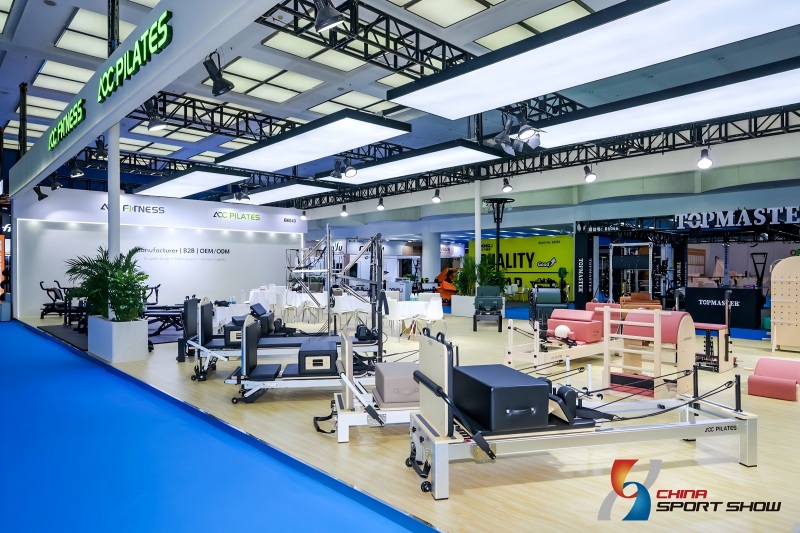
At the same time, a studio ordering eight, twelve or twenty stations can consider commercial-grade Pilates equipment sourced factory-direct from China. Factory-direct purchasing can lower the equipment investment significantly, and in some cases the final landed cost remains below premium-brand retail pricing even after international freight and import costs.
The comparison must be made on the final landed cost, not the factory quotation alone. Freight, customs clearance, tariffs, inland delivery, spare parts and installation all need to be included. For U.S. imports, CBP notes that duty depends on the correct tariff classification and the measures applicable to the specific product at the time of import.
Cost is only one part of the decision. Warranty terms, spare-part supply, production consistency and after-sales support matter over years of commercial use. If the teaching team already prefers Merrithew, Balanced Body or another familiar system, paying more may be justified. If a factory-direct supplier can meet the required commercial specification and support expectations, the savings can free capital for construction, marketing or working capital.
The better question is not whether a famous brand or a factory-direct machine is cheaper. It is which option provides the best total cost, reliability and operating fit.
3. How Much Space Does a Pilates Studio Need?
Equipment determines floor area, so the equipment plan should come before the lease.
An eight-Reformer boutique needs enough space for instructor movement, client circulation, storage and reception. A 20-Reformer studio needs these functions at a much larger scale and must handle a high number of clients arriving and leaving together. A comprehensive studio may need fewer group stations but more defined areas for different apparatus.
Choosing the space first and then trying to fill it with a business model can lead to unnecessary rent or an inefficient layout.
3.1 Can a Small Pilates Studio Support Multiple Revenue Streams?
This is especially important in high-rent cities.
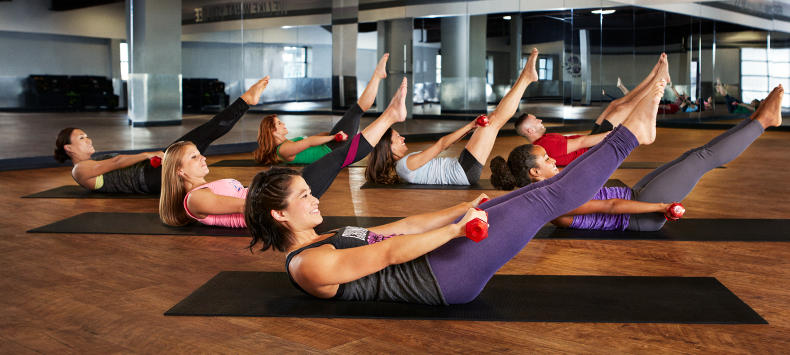
A studio under 100 square metres does not necessarily need to dedicate almost every metre to permanently positioned Reformers. Doing so maximizes machine count, but it also locks the room into one main use.
A more flexible small studio treats the same floor area differently throughout the day. Morning and evening peaks may remain focused on Reformer classes. During quieter periods, part of the floor can support mat Pilates, barre, mobility or private training. Longer weekend blocks can be used for workshops, instructor events or content creation.
The point is not to add as many class types as possible. It is to make one compact space support several revenue streams without becoming difficult to operate.
3.2 Flexible Pilates Studio Design Requires More Than Mobile Reformers
This model only works when the floor plan, equipment, storage, zoning and schedule are designed together.
Start with the floor rather than the maximum machine count. If six Reformers preserve enough central space for mat classes while eight machines permanently remove that option, the additional two stations are valuable only when demand consistently fills them.
Equipment mobility then becomes a purchasing consideration. Wheels, machine weight and approved storage methods matter if Reformers need to move regularly.
Balanced Body, for example, provides a wheel system and specific requirements for vertical storage of the Allegro 2, while Merrithew offers SPX Max configurations designed for upright storage in smaller studios.
Storage is equally important. A cleared training floor is useless if mats, rings, boxes and cleaning supplies immediately occupy it. Wall storage, cabinetry and mobile carts keep props close to the teaching area without turning the floor into a storage room.
Finally, the timetable must respect the layout. Constantly switching from Reformer to mat and back again wastes staff time. A better schedule groups similar space modes together: a morning Reformer block, a midday open-floor block, private sessions in quieter hours and another Reformer block for the evening peak.
This is where the economics of a flexible studio become clearer. The value is not in fitting more activities into the room; it is in increasing the productive use of the same rent.
4. How Much Do Pilates Studio Rent and Build-Out Cost?
Once the required floor area is known, real estate can be evaluated more accurately.
Monthly rent is only part of the cost. A lower-rent raw shell may need new flooring, electrical work, lighting, plumbing, bathrooms, HVAC, reception, storage and mirrors before it can generate revenue. A former yoga, wellness or fitness space may have a higher lease rate but require far less construction.
This is why build-out is one of the biggest reasons published Pilates startup budgets differ. Boutique Fitness Broker currently notes that U.S. Reformer studios can move from roughly $150,000–$200,000 at the leaner end to $350,000–$450,000 or more when custom construction and premium locations are involved.
The useful comparison is not simply monthly rent. It is the total cash required to secure the location, prepare it and reach the first paying class.
5. What Other Pilates Studio Startup Costs Should You Budget For?
Once equipment and property are covered, the remaining expenses follow the scale of the operation.
5.1 Staffing, Software and Pre-Opening Marketing
An owner-led private studio may open with little payroll beyond the founder. A large Reformer studio needs more instructor coverage and may also require reception, sales or management support.
Software becomes part of the operating infrastructure as volume grows. Booking, memberships, payments, waitlists and client communication need to work smoothly before opening.
Marketing should scale with class capacity. A six-Reformer studio needs fewer bookings to reach strong occupancy than a 20-Reformer studio. More machines create more seats, but they do not create demand. Larger studios therefore need stronger pre-sales, local visibility and founding-member campaigns before opening.
5.2 How Much Working Capital Does a Pilates Studio Need?
Working capital is less visible than equipment, but it can be more important.
Rent, payroll, utilities, insurance, software and marketing start immediately. Stable occupancy usually takes longer.
A small owner-operated studio has a relatively low monthly cash burn. A large boutique or high-capacity group studio can lose money much faster if classes remain partly empty.
This is why the real startup budget should extend beyond opening day. The objective is not simply to pay for the Reformers and construction; it is to leave enough cash for the business to reach sustainable bookings.
6. How Much Does a Pilates Franchise or Chain Cost?
Franchising changes the cost structure because the investor is buying both a physical studio and an established business system.
6.1 Pilates Franchise Startup Costs
Club Pilates currently lists a $65,000 initial franchise fee, plus an 8% royalty on gross sales and a 2% marketing-fund contribution.
JETSET Pilates publishes an estimated initial investment of $525,540–$749,575, while BODYBAR currently gives a range of $389,964–$759,356 for a single studio.
These figures are not directly comparable with the startup budget of a small independent studio. Franchise investment can include brand standards, prescribed construction, training, technology and operating support that independent founders either build themselves or do without.
6.2 Opening a Multi-Location Pilates Chain
A self-owned chain avoids paying franchise royalties to another company, but expansion creates a different kind of overhead.
Once one studio becomes three, five or ten locations, standardized equipment procurement, instructor training, studio management, reporting and central marketing become increasingly important. Club Pilates itself highlights economies of scale such as staff sharing and vendor relationships for multi-unit operators, illustrating why a multi-location model has organizational costs as well as location-level costs.
At that stage, the founder is no longer funding only Pilates studios. The founder is also funding the system that makes those studios repeatable.
7. What Is a Realistic Pilates Studio Startup Budget in 2026?
For a small private or owner-led studio, $40,000–$80,000 can be achievable when the equipment package and build-out remain modest.
An independent boutique Reformer studio is more likely to require $100,000–$250,000, while a high-capacity group studio can move toward $180,000–$400,000 or more. A comprehensive apparatus studio may also reach well into six figures, but its money is distributed differently across equipment and private-training space. Premium franchises can move comfortably beyond $500,000, as current JETSET and BODYBAR disclosures show.
These ranges are useful only after the business model is clear.
Start with the clients and services. Decide whether the studio is built around private Pilates, boutique Reformer classes, high-volume group sessions or comprehensive apparatus training. That decision tells you how much equipment to buy. The equipment defines the floor area. The floor area sets rent and construction requirements. Staffing and class capacity then determine how much operating cash the business needs.
In other words, the cost of opening a Pilates studio is not one number.
It is the result of a sequence of connected decisions: studio model, equipment, space, build-out and working capital.
Get that sequence right, and the startup budget becomes far more useful than any generic industry average.


Trending Now
-

Pilates Reformer vs. Reformer with Tower: Which One Do You Really Need?
2026-09-21 09:30:12 -

How to Choose Pilates Reformer Tracks: Aluminum vs Stainless Steel
2026-09-04 14:14:55 -

How to Turn a Small Pilates Studio Into a Multi-Revenue Space
2026-05-29 15:19:19 -

Why Are Pilates Reformers So Expensive? Precision & Low-Formaldehyde Safety
2026-05-19 13:29:14 -

Full Track Pilates Reformer: What Makes It Different?
2026-02-27 17:37:24 -

How Much Space Do You Need Around a Pilates Reformer In Studio?
2026-01-26 13:47:29