
Oak Pilates Reformer: Wood Types, Colors & Finishes
Oak Is One of the Commonly Used Wood Options for Wooden Pilates Reformers
However, in actual Pilates Reformer manufacturing, the final appearance of an oak frame depends on much more than the wood itself.
Wood species, natural grain, material selection, sanding, staining and coating can all affect the finished product. This is why two Reformers both described as "oak" may look very different.
For Pilates studios, distributors and private-label brands, understanding these differences makes it easier to choose the right material and finish for a specific market, studio interior or product collection.
1. Why Oak Is Used for Wooden Pilates Reformers
Hardwood has a long history in professional Pilates equipment. Well-known manufacturers such as Balanced Body and Gratz use hardwood, particularly maple, for classic wooden Reformer frames. Oak is another popular option because of its recognizable wood grain and its flexibility in surface finishing.
An oak Pilates Reformer can retain a natural wood appearance or be processed into lighter, darker or more uniform colors. This gives manufacturers more flexibility when developing equipment for different studio styles.
For example, natural oak works well in warm and minimalist interiors, while a lighter oak finish can complement cream, beige and light-colored upholstery. Darker oak creates a heavier, more furniture-like appearance.
Therefore, choosing oak is only the first step. The finishing process determines much of what the customer eventually sees.
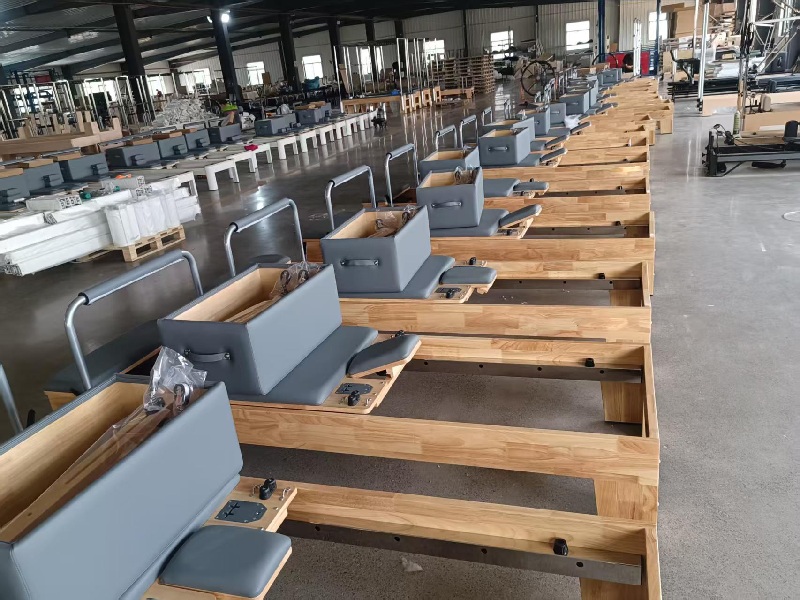
2. Oak vs Red Oak in Pilates Reformer Manufacturing
One point that often causes confusion is the difference between oak and red oak.
Red oak is itself a type of oak. In professional manufacturing and purchasing, it is better to identify the actual wood material rather than treating "oak" and "red oak" simply as different colors.
American red oak typically has visible grain, relatively open pores and a warm natural tone. It is widely used in furniture, flooring and cabinetry because it machines and finishes well.
These characteristics can also be useful in Pilates Reformer production. When the customer wants the wooden frame to show obvious natural grain, red oak can create a strong solid-wood appearance.
However, the name "red oak" does not mean the final Reformer will necessarily look red. After staining or toning, the same wood can appear natural, light brown, dark brown or even close to a walnut-style color.
This is why wood species and wood finish should always be considered separately.
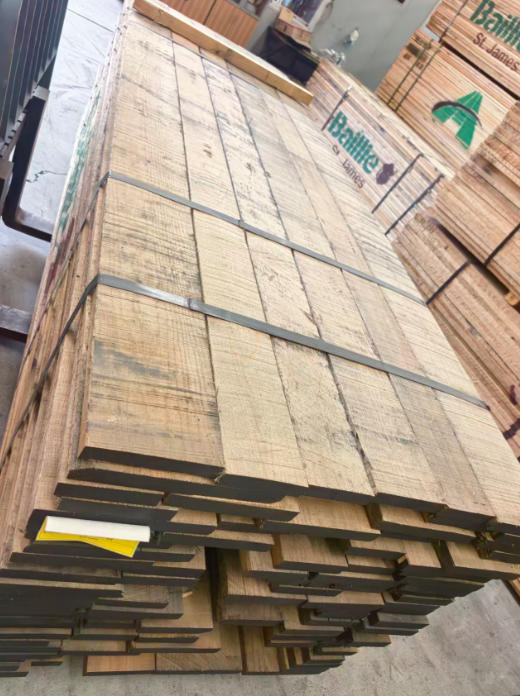
3. Natural Oak Pilates Reformer
A natural oak Pilates Reformer is designed to preserve the original character of the wood.
"Natural" does not normally mean unfinished. The frame still goes through machining, sanding and protective finishing. The difference is that the coating does not significantly change the original wood color.
The result is usually a warm, natural appearance with visible grain and some variation between individual pieces of timber.
Because wood is a natural material, slight differences in tone and grain are normal. However, when multiple Reformers are supplied to the same Pilates studio, excessive variation may make the equipment look inconsistent.
For this reason, material selection is important before finishing begins. Boards can be visually matched according to color and grain so that a batch of wooden Reformers maintains a reasonably consistent appearance without losing the character of real wood.
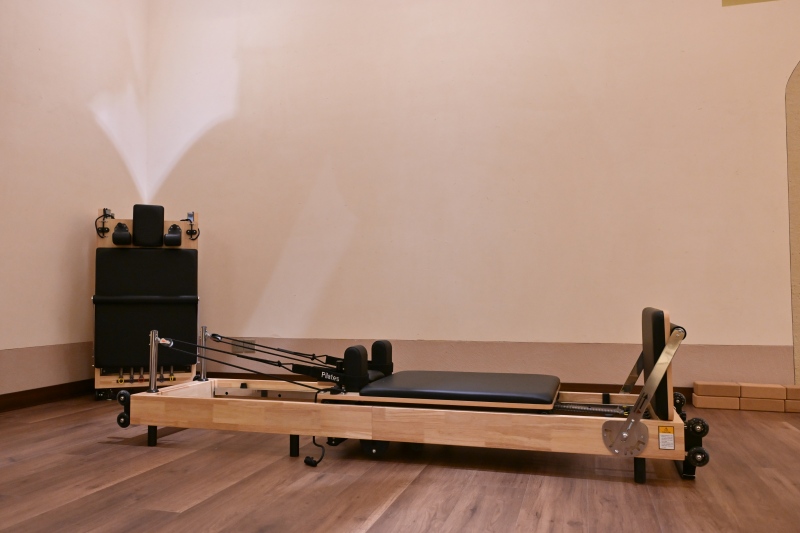
4. White-Toned Oak Pilates Reformer
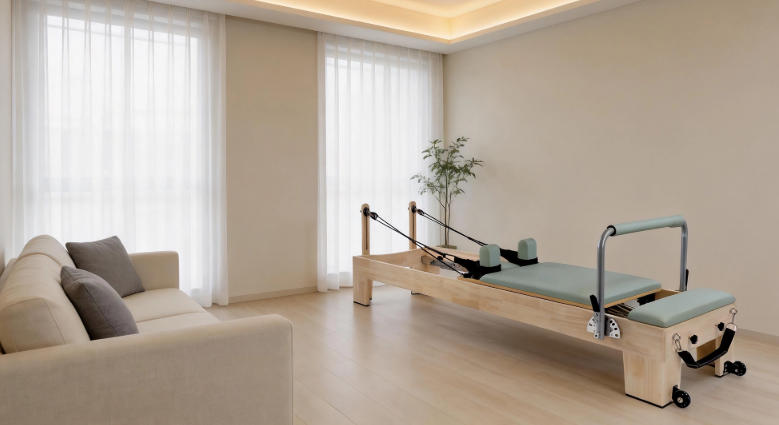
White-toned oak is increasingly suitable for Pilates studios with bright, modern interiors.
Compared with natural oak, a white-toned finish reduces some of the yellow or warm brown appearance of the wood. The overall frame becomes lighter and cleaner, while the wood grain can still remain visible.
This is different from completely painting the frame white.
A white-toned or white-washed finish is usually intended to preserve the visual texture of wood while changing its overall color direction. The final result depends on the original timber, sanding quality, coloring material and application process.
In production, this means "adding white" is not enough. The manufacturer needs to control how much color is applied and how consistently different wood pieces absorb the finish.
For repeat orders, keeping an approved color sample is especially useful. It gives both the buyer and the factory a reference for future production.
White-toned oak Reformers work particularly well with beige, ivory, light gray, sage green and other soft upholstery colors commonly used in contemporary Pilates studios.
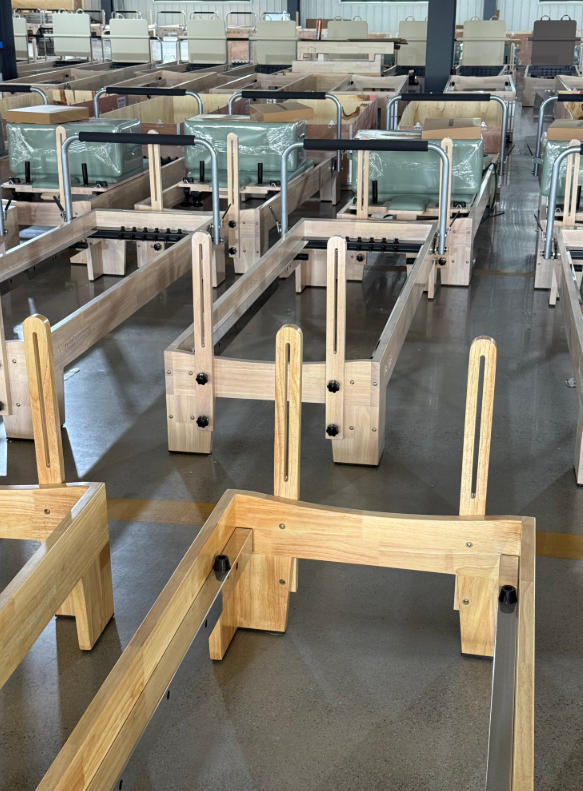
5. Dark-Stained Oak Pilates Reformer
Dark-stained oak creates a completely different visual effect.
Instead of reducing the natural color, staining adds more depth to the wood. Depending on the finish specification, oak can be developed into medium brown, dark brown, walnut-inspired or other deeper tones.
The important point is that staining does not necessarily hide the wood grain.
When a customer wants a darker Reformer while still maintaining the appearance of real wood, a stained finish can be a suitable solution. Oak is particularly effective for this because its grain can remain clearly visible after coloring.
A dark oak Reformer often feels warmer, more traditional and more furniture-like than a natural or white-toned version of the same machine.
This demonstrates an important part of custom Pilates equipment manufacturing: even when the structure of the Reformer does not change, the finish can significantly change how the product is positioned.
6. Painted Oak for Custom Pilates Reformers
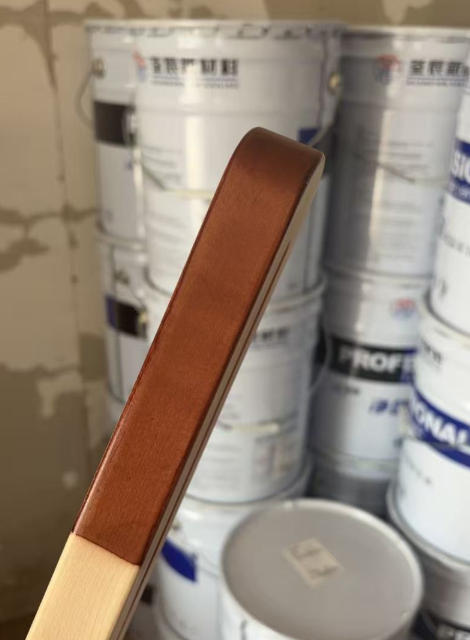
Painted or spray-finished wooden Reformers provide another level of customization.
It is important to understand that "spray finish" describes an application method, not a specific visual result. Spray equipment can apply transparent coatings, tinted finishes, toners or more opaque paints.
As a result, a "brown painted Reformer" can range from a semi-transparent brown finish that still shows the wood grain to a much more uniform coating that covers most of the natural variation.
More controlled painted finishes can be useful when customers want strong color consistency across a large order. They are also suitable for private-label Pilates brands that want a particular visual identity.
The wooden frame color can then be coordinated with upholstery, metal components and other products such as Pilates Chairs, Cadillacs and Barrels.
In this case, wood finishing becomes part of the overall product design rather than simply a woodworking process.
7. Why Wood Finishing Matters in Pilates Reformer Manufacturing
Customers usually notice color first, but good wood finishing begins much earlier.
Before stain or coating is applied, the frame must be properly machined and sanded. Scratches, uneven sanding or glue residue may become more visible after coloring.
Edges, corners, joints and other exposed areas also need consistent treatment because a Pilates Reformer is viewed from multiple directions.
Another challenge is batch consistency.
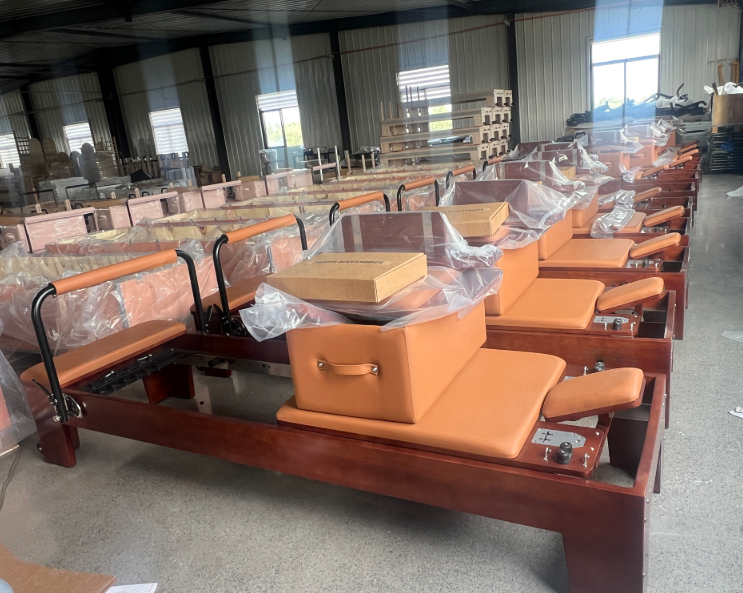
Making one attractive sample is relatively easy. Producing 10, 20 or 50 Reformers that remain within an acceptable color range requires better control of material selection, sanding, coloring and coating.
This is where manufacturing experience becomes especially important.
For a commercial Pilates equipment factory, quality is not only about whether the first Reformer looks good. It is also about whether later units in the same order look and feel consistent.
8. How to Choose the Right Oak Finish for a Pilates Studio
There is no single best oak finish for every Pilates Reformer.
A natural oak finish is suitable when the goal is to emphasize real wood and create a warm studio atmosphere. White-toned oak works well in brighter, more contemporary interiors. Dark-stained oak creates a richer and more premium furniture-style appearance, while painted finishes provide more flexibility for specific brand colors and batch consistency.
The upholstery should also be considered together with the frame.
The same oak color can look completely different when combined with black, ivory, brown, gray or green upholstery. For larger studio projects, it is often better to approve the wood finish, upholstery and metal finish as one complete combination.
This is particularly useful for Pilates studios and private-label brands that want all equipment to share the same visual language.
9. What Buyers Should Confirm With a Pilates Reformer Manufacturer
When sourcing a wooden Pilates Reformer, asking only "Is it oak?" is not enough.
Buyers should also understand what type of oak is being used and what finishing effect has been approved.
Terms such as "natural oak," "light oak," "dark oak" or "walnut color" can be interpreted differently by different suppliers. Photos are useful, but lighting and camera settings may change how the color appears.
For custom or bulk production, an approved physical sample or factory master sample provides a much more reliable reference.
This helps reduce differences between the sample stage and mass production and makes communication between the buyer and Pilates equipment manufacturer more accurate.
10. Oak Pilates Reformers: More Than Just a Wood Choice
An oak Pilates Reformer is the result of both material selection and manufacturing process.
Oak, red oak, natural oak, white-toned oak, dark-stained oak and painted oak should not all be treated as different wood species. Some describe the wood itself, while others describe how the surface has been processed.
Understanding this distinction makes it much easier to develop custom Pilates equipment.
The same Reformer design can look natural and warm, light and contemporary, or dark and premium simply by changing the way the wooden frame is selected and finished.
For buyers, the question is therefore not only "What wood is this Reformer made from?"
It is also:
"How is the wood finished, and what will the final Reformer actually look like?"


Trending Now
-

Types of Pilates Reformers: How Material, Frame Structure, and Environment Define Function
2026-09-10 10:29:31 -

Why Anodized Aluminum Rails Are Ideal for Maple Pilates Reformers
2026-09-10 09:50:20 -

Why North American Hard Maple Is Used in Premium Pilates Reformers
2026-09-10 09:48:08 -

How to Choose the Right Logo Method for Pilates Equipment
2026-07-13 08:54:28